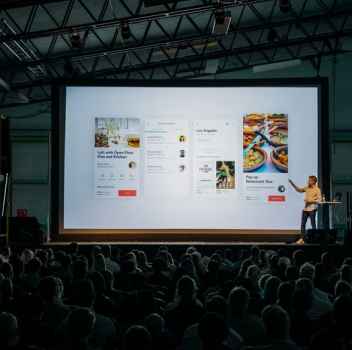
Startup Weekend is hitting San Francisco and Redmond simultaneously this weekend, and as a “veteran” of this awesome event I thought I’d share some tips and tricks for getting the most out of the time spent.
For those of you who don’t read long posts, here is the summary:
Maximize Productivity
Manage Expectations
Build a Culture That Launches
Bring your own internet connection. Without fail, every Startup Weekend I’ve been to has had problems with internet connectivity, and if you’re building your project using cloud services for everything then you’ll be very frustrated with slow upload speeds, spotty connectivity, etc. The MyFi pucks from Sprint are great.
Use WordPress. Unless your website is your service (and even if it is) use a self-hosted WordPress install (Dreamhostdoes a great one-click installation) to get something out there as early as possible with information about your team, your project, etc. Get a Twitter account and start talking. This is going to keep your team focused – and will also increase your chances of launching at the end of the weekend.
Use Google Apps to host your email and calendar and actually USE these things. Having a separate email address and calendar for your team means they won’t be distracted by being in their person inbox.
Get a marketing lackey. Use a smart non-technical person (there are always a few hanging about looking for a way to contribute) who is savvy with blogging and content creation to work on this full time, and then use them to do random tasks like QA, project management, etc. as needed. Engineers should not be doing anything but code, everyone’s else job is to create an environment where they can be productive and uninterrupted.
Don’t be afraid to fire people if they are wasting your time. At a Six Hour Startup event in Seattle (which I sadly wasn’t at), Marina Martin is (in)famous for firing everyone who raised there hand when she asked “who are the project managers”. Those who were offended left, and those who stuck around went on to launch the product as useful contributors. That’s brutal, but if someone is in the way or more trouble than they’re worth you’ve got to do it out of respect to the rest of the team.
Expect the First 10 Hours Will Be Wasted, because they will – accept it. This is kind of like being a poker player who only plays well when they’re on a comeback. You’ll actually end up getting more done overall if you’re lagging behind on Saturday so don’t work. Focus on keeping team motivated, otherwise you might be surprised to find the developer you were counting on doesn’t show up Sunday morning.
Pad all estimates. So you think you’ll have that feature coded up in 2 hours? Plan for 4, you’ll be glad you did and your teammates will trust you more when you get it done in 3. Remember, these people have never worked with you before and you’ll have to convince each other to do all sorts of things and make a lot of group decisions so building trust should always be on your mind. Under-promise, over-deliver is the name of the game.
Don’t get into long conversations about titles or equity, the odds that you’ll turn this into a business are really low and these conversations involving money, power, etc. can really get you off track. If you’re talking about this, it should be because you’ve successfully got a proof of concept and a business model.
Make sure you recruit developers first, without them nothing else happens. If you’re short on talent make sure to keep recruiting through the event, there are disfunctional groups falling apart and re-forming the entire time. Snap up the best people by whatever means necessary.
Focus on getting to proof of concept fast with as few features a possible. There is going to be all sorts of conflict, you’ll be working with people you’ve never met before, and there’s a learning curve for that. You have to protect your team against anything demotivating – so try to get tangible results to celebrate as soon as possible. Even if it is broke ass ugly, it’s better than nothing.
Pick an idea you know how to build, over an idea that it just effing cool. Take an inventory of the skillset of your team members to make sure your idea is realistic. Bonus points if it could conceivably be a business with revenue unrelated to advertising. You might find that by building something simple first you actually end up with enough time to also add that other cool stuff that was icing on the cake.
Get customers right away, don’t wait – use other attendees, etc. to test out your product and give you feedback, or recruit customers using social media tools. Create a beta user list with Google Docs and treat those people like gold. The more information you can process and iterate on, the better your product is going to be. This might seem obvious, but a lot of group try to be really secretive. The truth is no one cares what you’re building, they’re busy working on their own stuff.
Start thinking about how to present your product early, on Saturday night if possible. This exercise of explaining what your product does to other people will actually help your product development process, pointing out parts that are confusing or overly complex. If you are going to do a live demo practice A LOT – it’s Murphy’s Law that something will go wrong, plan to roll with it. Slide decks are pretty boring, live demos are better.
I’m realizing the event is close approaching and there is still a lot left to say, but I’m going to post this and tweak it as I go… kind of like what you should do this weekend. If you’re in SF, see you there – if not, my best wishes to everyone in Seattle – I hope you launch! Drop me a note on Twitter @DanielleMorrill if you want to make sure we connect while we’re there.
[...] Morrill has a great blog post on making the most of StartUp [...]